

Climbing Mount Kilimanjaro
Climbing Mount Kilimanjaro is truly a once-in-a-lifetime adventure and one of the world’s most iconic trekking experiences. Rising to an impressive 5,895 meters (19,341 feet), Mount Kilimanjaro is Africa’s highest mountain and the tallest free-standing mountain on Earth.
It’s no surprise that reaching its summit, Uhuru Peak, tops bucket lists for travelers from around the globe. While Kilimanjaro is a serious high-altitude challenge and some routes are not suitable for beginners, you do not need to be a technical climber to reach the summit.
With the support of an experienced, professional guide, proper preparation, and the right itinerary, many first-time trekkers successfully stand on the Roof of Africa. Located within Kilimanjaro National Park, this legendary mountain offers a variety of scenic routes, changing landscapes, and unforgettable views. Here, you’ll find everything you need to plan your climb from our recommended Kilimanjaro routes and itineraries to practical advice on training, packing, and altitude acclimatization, helping you prepare confidently for the adventure of a lifetime.
Mount Kilimanjaro Climb Itineraries
Once you’ve decided to climb Mount Kilimanjaro, the next important step is choosing the right route. Mount Kilimanjaro offers seven main trekking routes, each with its own level of difficulty, scenery, acclimatization profile, and summit success rate. One route approaches Kilimanjaro from the northern side, while the remaining six routes start on the southern slopes of the mountain. Some routes are known for their spectacular scenery, others for better acclimatization and higher success rates, and a few for being quieter and less crowded.
At Rhino Sunset Safari, we offer a full selection of Mount Kilimanjaro climb itineraries, carefully designed to suit different fitness levels, time frames, and trekking preferences. Whether you are looking for the most scenic route, the best chance of reaching the summit, or a shorter trek with proper acclimatization, we have an itinerary to match your goals.
The most common question climbers ask is: Which Kilimanjaro route should I choose? The answer depends on your hiking experience, available time, budget, and how your body adapts to altitude. Our experienced mountain team will guide you in selecting the best Kilimanjaro route to ensure a safe, enjoyable, and successful climb to Uhuru Peak, the Roof of Africa.

6 Days Climbing Kilimanjaro expedition, Marangu route
This is one of the shortest and most affordable Mount Kilimanjaro routes, making it a popular choice among climbers. It is also the only route that offers overnight stays in mountain huts rather than tents. Due to the rapid altitude gain each day, this route is more demanding and requires a good level of physical fitness to increase the chances of a successful summit.

6 Days Climbing Kilimanjaro via Machame Route
This route is often regarded as one of the most scenic climbing routes in the world, thanks to its stunning trails, breathtaking landscapes, and the iconic Barranco Wall. The itinerary is well designed for gradual altitude adjustment, offering good acclimatization and improving your chances of reaching the summit successfully.

9 Days Climbing Kilimanjaro, Lemosho route in 7 days!
The Lemosho Route is our top recommendation and is known for having one of the highest summit success rates on Mount Kilimanjaro. The climb begins at around 3,500 meters, with a relatively gentle and gradual start that supports proper acclimatization. In the final stages, the route merges with the Machame Route, following the same path toward the summit.

9 Days Climbing Kilimanjaro, Lemosho-Shira route in 6 days!
The Lemosho Route is our top recommendation and is known for having one of the highest summit success rates on Mount Kilimanjaro. The climb begins at around 3,500 meters, with a relatively gentle and gradual start that supports proper acclimatization. In the final stages, the route merges with the Machame Route, following the same path toward the summit.

9 Days Climbing Kilimanjaro, Rongai route in 6 days!
The Rongai Route approaches Mount Kilimanjaro from the northern side of the mountain. This area is drier and more exposed to wind, resulting in less dense vegetation along the trail. Because the ascent and descent follow different routes, climbers have the unique advantage of experiencing both sides of Kilimanjaro during the trek.
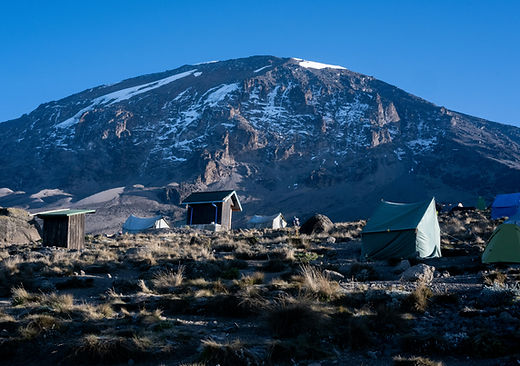
9 Days Climbing Kilimanjaro expedition, Umbwe route in 6 days!
The Umbwe Route is the shortest and most challenging path up Mount Kilimanjaro. It is a steep and demanding climb, recommended only for experienced and physically fit mountain climbers who are comfortable with rapid altitude gain.
Kilimanjaro Mountain Climbing Routes – Overview
Choosing the right Mount Kilimanjaro route plays a major role in your overall experience and summit success. Below is a helpful guide to selecting the best route based on experience level, budget, scenery, and travel season.
Best Routes for Beginners
-
Marangu Route – Ideal for first-time climbers, with hut accommodation and a gradual approach
-
Machame Route – Suitable for beginners with good fitness, offering better acclimatization and scenery
Best Routes for Scenic Views
-
Lemosho Route – Known for breathtaking landscapes and remote trails
-
Machame Route – Famous for diverse scenery, including rainforests and the Barranco Wall
Best Budget-Friendly Option
-
5-Day Marangu Route – The most affordable Kilimanjaro route, recommended for fit beginners
Best Routes for Moderate Hikers
-
Machame Route – A balanced route with good acclimatization and high success ratesLemosho Route – Slightly longer, ideal for hikers wanting a more relaxed ascent
Best Route for Experienced Climbers
-
Umbwe Route – The steepest and most demanding route, recommended only for experienced mountaineers
Other Key Route Highlights
-
Most Popular Kilimanjaro Route: Machame Route
-
Longest Kilimanjaro Route: Northern Circuit
-
Best Route During Rainy Season: Rongai Route
Highest Summit Success Rates:

-
8-Day Lemosho Route
-
9-Day Northern Circuit Route
Kilimanjaro Routes: Pros and Cons
Mount Kilimanjaro offers seven different climbing routes, each with its own advantages and challenges. These routes vary in length, difficulty, scenery, crowd levels, accommodation type, and acclimatisation profile. Choosing the right route is one of the most important decisions when planning your Kilimanjaro climb.
At Rhino Sunset Safari, our experienced mountain team specialises in helping climbers select the best Kilimanjaro route based on fitness level, experience, budget, and travel goals. With hundreds of successful summits and climbers from all over the world, we take time to understand your needs and create a climb that maximises safety, enjoyment, and summit success. The most popular routes among our clients are the Machame Route, Marangu Route, and Lemosho Route
Machame Route (Whiskey Route)
Often called the “Whiskey Route,” the Machame Route is one of the most popular and successful Kilimanjaro climbing routes. It follows a longer, more gradual ascent, allowing the body more time to adapt to altitude, which significantly improves summit success rates. The route circles the mountain, offering spectacular views and diverse landscapes, from lush rainforest to alpine desert.
Highlights include the Shira Plateau, Barranco Wall, and wide-open scenic ridges. The final ascent to Stella Point is the most demanding section and requires a moderate level of fitness. The Machame Route can be completed in 6 or 7 days, though we strongly recommend the 7-day option for better acclimatisation and higher chances of reaching the summit.
PROS:
-
High summit success rate
-
Excellent acclimatisation profile
-
Beautiful and varied scenery
-
More affordable than longer routes
CONS:
-
Can be busy during peak climbing seasons
Marangu Route (Coca-Cola Route)
The Marangu Route, also known as the “Coca-Cola Route,” is the only Kilimanjaro route with hut accommodation, making it popular with beginners and budget-conscious climbers. The trail follows the same path up and down the mountain and offers a more straightforward approach.
The climb passes through rainforest, moorland, and alpine zones, but the shorter itinerary means faster altitude gain, which can reduce acclimatisation time. For this reason, a good level of fitness is important despite the route’s reputation as beginner-friendly. The Marangu Route is typically done in 5 or 6 days, with the longer option recommended to improve summit success.
PROS:
-
Hut accommodation (no tents required)
-
Shortest and most affordable route
-
Ideal for beginners with good fitness
CONS:
-
Lower acclimatization compared to other routes
-
Less scenic variety
-
Same route used for ascent and descent
Lemosho Route
The Lemosho Route is widely considered one of the most beautiful and complete routes on Mount Kilimanjaro. It begins on the western side of the mountain, making it quieter and less crowded during the early stages. The trail passes through remote forests and open moorlands before reaching the Shira Plateau, offering breathtaking scenery throughout.
After several days, the route joins the Machame Route at Lava Tower, continuing toward the summit with excellent acclimatization. The Lemosho Route is usually completed in 7 or 8 days and requires a moderate level of fitness.
PROS:
-
Outstanding scenery and remote trails
-
Excellent acclimatization and high success rates
-
Less crowded at the start
-
One of the best routes for first-time climbers
CONS:
-
More expensive due to longer duration and extra transport
-
Requires more time than shorter routes
Choosing the Right Kilimanjaro Route
Each Kilimanjaro route offers a unique experience. Whether you’re looking for the best value, the highest summit success rate, or the most scenic climb, our team at Rhino Sunset Safari will guide you toward the route that best fits your goals, ensuring your climb is safe, rewarding, and unforgettable.
Best Time to Climb Mount Kilimanjaro
Climbing Mount Kilimanjaro is possible year-round, and the best time to go depends on your personal preferences, experience level, and expectations. At Rhino Sunset Safari, we provide expert guidance to help you choose the ideal time to plan your Kilimanjaro climb based on weather conditions, trail traffic, and overall comfort.
Dry Seasons – Best Overall Conditions
The most popular times to climb Kilimanjaro are during the dry seasons, from December to March and June to October.
-
December to March is the warmest period on the mountain, offering clearer skies and a lower chance of snow on the trail. Among these months, February is considered the best, as it combines warm temperatures with minimal rainfall.
-
June to October is also an excellent climbing season, with generally dry weather and good visibility. However, temperatures are colder, especially at higher altitudes, and trails tend to be busier during this peak period.
Rainy Seasons – Fewer Crowds, More Challenge
During the rainy seasons, conditions can be wet and slippery, and visibility may be reduced. As a result, most climbers choose to avoid these months. That said, some experienced climbers and adventurous travellers prefer this time, as there are far fewer crowds, creating a quieter and more remote trekking experience.
When Should You Climb Kilimanjaro?
Whether you prefer warm weather, fewer crowds, or optimal summit conditions, there is a suitable time to climb Kilimanjaro for every type of traveler. Our team at Rhino Sunset Safari will help you select the best season and route to ensure a safe, comfortable, and successful journey to the summit.

How to Prepare for Climbing Mount Kilimanjaro
Although Mount Kilimanjaro offers routes suitable for different experience levels, climbers should be prepared for 6–7 hours of walking each day over several consecutive days. This can be physically demanding, so proper preparation is essential for a successful and enjoyable climb. In the months leading up to your trek, it’s recommended to go on long hikes every few weeks, gradually increasing distance and elevation.
This helps build stamina and prepares your body for sustained walking over multiple days. Weekend hikes are especially helpful, as they simulate the endurance required during the climb. Additional activities such as yoga, stretching, and breathing exercises can also play an important role in your training. These practices improve flexibility, strengthen muscles, and help with controlled breathing key factors when trekking at high altitude. Preparing both your body and mind will increase your comfort, confidence, and chances of reaching the summit.
